Transform Your Home with Modern Interior Design
- wyatt myers
- Jan 17
- 4 min read

Modern interior design is more than just a trend; it’s a lifestyle choice that can transform your living space into a sanctuary of comfort and style. Whether you’re looking to refresh a single room or undertake a complete home makeover, understanding the principles of modern design can help you create a space that reflects your personality and meets your needs. In this post, we will explore key elements of modern interior design, practical tips for implementation, and inspiring examples to guide your journey.

Understanding Modern Interior Design
Modern interior design emerged in the early 20th century, characterized by simplicity, clean lines, and a focus on functionality. Unlike traditional styles that often incorporate ornate details and heavy furnishings, modern design emphasizes open spaces and minimalism. Here are some core principles that define modern interior design:
Clean Lines and Minimalism
Modern design is all about simplicity. This means avoiding clutter and focusing on essential elements. Furniture pieces often feature straight lines and geometric shapes, creating a streamlined look.
Neutral Color Palettes
Modern interiors typically utilize a neutral color palette, including whites, grays, and beiges. These colors create a calm and cohesive environment. You can add pops of color through accessories, artwork, or plants to keep the space lively.
Functional Spaces
In modern design, every piece of furniture should serve a purpose. This approach not only maximizes space but also enhances the overall functionality of your home. Multi-functional furniture, such as a sofa bed or an ottoman with storage, is a great way to achieve this.
Natural Light and Open Spaces
Modern design encourages the use of natural light. Large windows, open floor plans, and the strategic placement of mirrors can help create a bright and airy atmosphere.
Practical Tips for Implementing Modern Design
Now that you understand the principles of modern interior design, let’s explore some practical tips to help you implement these ideas in your home.
Start with a Plan
Before diving into your redesign, take the time to plan your space. Consider the following:
Assess Your Needs: What do you want to achieve with your redesign? More space? A cozier atmosphere?
Create a Mood Board: Collect images, colors, and materials that inspire you. This will help you visualize your design.
Choose the Right Furniture
Selecting the right furniture is crucial in modern design. Look for pieces that are:
Sleek and Simple: Opt for furniture with clean lines and minimal ornamentation.
Functional: Choose items that serve multiple purposes to maximize space.
Comfortable: While aesthetics are important, comfort should never be compromised.
Incorporate Textures
To add depth to your modern space, incorporate various textures. This can be achieved through:
Textiles: Use different fabrics for cushions, rugs, and curtains.
Materials: Combine wood, metal, and glass to create a balanced look.
Use Lighting Wisely
Lighting plays a significant role in modern design. Consider these options:
Natural Light: Maximize natural light by using sheer curtains or blinds.
Layered Lighting: Combine ambient, task, and accent lighting to create a well-lit space.
Add Personal Touches
While modern design emphasizes minimalism, it’s essential to add personal touches that reflect your style. Consider:
Artwork: Choose pieces that resonate with you and complement your color scheme.
Plants: Incorporate greenery to bring life and color into your space.
Inspiring Examples of Modern Interior Design
To further inspire your transformation, let’s look at some examples of modern interior design in action.
Example 1: The Minimalist Living Room
Imagine a living room with a neutral color palette, featuring a low-profile sofa, a sleek coffee table, and a large window that floods the space with natural light. A single piece of abstract art hangs on the wall, and a few potted plants add a touch of greenery. This space embodies the essence of modern design: simplicity, functionality, and style.
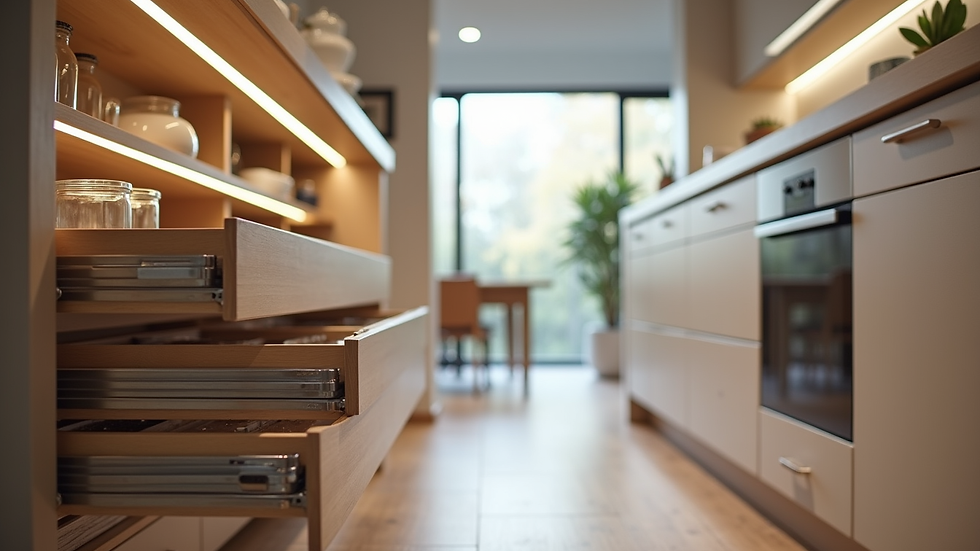
Example 2: The Functional Kitchen
In a modern kitchen, you might find open shelving, stainless steel appliances, and a large island that doubles as a dining area. The use of light wood cabinetry and white countertops creates a bright and inviting atmosphere. This kitchen is not only aesthetically pleasing but also highly functional, making it perfect for cooking and entertaining.
Example 3: The Cozy Bedroom
A modern bedroom can be a sanctuary of relaxation. Picture a platform bed with crisp white linens, a minimalist nightstand, and a soft area rug. Large windows allow natural light to pour in, while blackout curtains provide privacy. This space combines comfort with modern design principles, creating a perfect retreat.
Conclusion
Transforming your home with modern interior design is an exciting journey that allows you to express your style while creating functional and inviting spaces. By understanding the principles of modern design and implementing practical tips, you can create a home that reflects your personality and meets your needs. Remember to start with a plan, choose the right furniture, and incorporate personal touches to make your space truly yours.
As you embark on your design journey, keep in mind that modern interior design is not just about aesthetics; it’s about creating a space where you feel comfortable and at home. So, take the next step and start transforming your living space today!


Comments